Introduction
In today’s fast-paced software development world, code quality and collaboration play a critical role in building reliable applications. One tool that has transformed the way development teams conduct reviews is Code Collaborator. Whether you are a beginner trying to understand how peer reviews work or a professional developer looking to improve efficiency, this tool can make the process seamless.
What is Code Collaborator?
Code Collaborator is a peer code review tool developed by SmartBear Software. It allows development teams to review source code, design documents, and other project files in a collaborative environment. Unlike traditional methods of emailing files back and forth, Code review software provides a structured workflow for reviewing changes, leaving feedback, and tracking progress.
It supports a variety of version control systems (VCS) like Git, Subversion, Perforce, and CVS, making it suitable for diverse development environments.
Why is Code Review Important?
Before diving deeper into Code Collaborator, it’s important to understand why code review matters.
-
Improves Code Quality → Catches bugs and logical errors early.
-
Knowledge Sharing → Helps team members learn from each other’s coding styles.
-
Consistency → Ensures code follows company standards and best practices.
-
Reduced Costs → Fixing errors during development is cheaper than fixing them after deployment.
-
Collaboration → Encourages teamwork and transparent communication.
Key Features
-
Version Control Integration
-
Works smoothly with Git, Perforce, Subversion, and other VCS tools.
-
Developers can push code changes directly for review.
-
-
Customizable Workflows
-
Teams can design workflows based on project needs.
-
Supports flexible review cycles with multiple participants.
-
-
Defect Tracking
-
Identifies and tracks issues raised during review.
-
Ensures no bug or suggestion is missed.
-
-
Metrics and Reporting
-
Provides insights on review times, defect density, and reviewer performance.
-
Useful for managers to monitor project progress.
-
-
Cross-Platform Support
-
Works across different programming languages and file formats.
-
Not limited to source code—can also review documents, test plans, and design diagrams.
-
-
Real-Time Collaboration
-
Multiple reviewers can comment simultaneously.
-
Reduces delays in project timelines.
-
Benefits
-
Efficiency Boost → Speeds up review cycles by automating tasks.
-
Early Bug Detection → Catches potential issues before they reach production.
-
Team Transparency → Keeps a clear history of changes and feedback.
-
Compliance → Helps organizations meet regulatory or quality standards.
-
Scalability → Suitable for both small teams and large enterprises.
How Code Collaborator Works
-
Upload Code or Files → Developers submit code changes for review.
-
Assign Reviewers → Peers or team leads are invited to check the code.
-
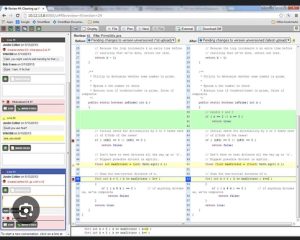
Collaborative Review → Reviewers highlight lines, add comments, and suggest improvements.
-
Defect Tracking → Issues are logged, discussed, and resolved before merging.
-
Approval and Integration → Once approved, code moves forward in the development pipeline.
Use Cases
-
Software Development Teams → Ensuring quality and consistency across projects.
-
Remote Teams → Enabling smooth collaboration regardless of location.
-
Enterprise Projects → Managing compliance and large-scale code bases.
-
Learning & Training → Helping new developers improve by receiving feedback from seniors.
Code Collaborator vs. Modern Alternatives
While Code Collaborator is a strong and proven tool, many modern platforms like GitHub, GitLab, and Bitbucket also offer built-in code review features. However, Code Collaborator stands out with its:
-
Detailed reporting and metrics
-
Strong defect tracking system
-
Broader file type support beyond just source code
For teams that prioritize compliance, detailed auditing, and customizable workflows, Code Collaborator remains a valuable solution.
Conclusion
Code Collaborator is more than just a tool—it’s a complete ecosystem for peer code reviews. By combining collaboration, defect tracking, and reporting in a single platform, it ensures higher code quality and smoother workflows.
For development teams aiming to improve efficiency, reduce errors, and build better software, adopting Code Collaborator can be a game-changer. Whether you are working in a small agile team or managing large enterprise projects, this powerful review toolkit provides the structure and transparency needed for success.
Official SmartBear Code Collaborator Page
“Read our blog on best collaboration tools for developers.”
Code Collaborator is powerful for review, Beginner’s Guide to PHP with XAMPP.”